środa, 19 lipca 2017

SUMMER POLISH COURSES – HOLIDAY ADVENTURE :)

SUMMER COURSE OF POLISH OR LYING ON THE BEACH?
Holiday time. Wherever we look, we see advertisements of travel agencies, golden sand on the seashore and exotic places, so it’s no surprise that many people are tempted to spend their holiday in those places. Foreigners are faced with a dilemma, too: sunny beach holiday or a course of Polish? If you decide to attend a summer intensive course of Polish (for more information on courses at Po Polsku check here), you definitely won’t regret it.

Summer Polish courses (at Po Polsku) are a real language adventure for foreigners:)
LEARN AND PRACTICE
Why is it a good idea to spend part of your holiday learning Polish in Poland?
First of all, you’re learning the language, its conjugations and declension, and at the same time you can use the learnt expressions and phrases on the spot. After a class on ordering a meal at a restaurant you can take a sit in one of the numerous restaurant or cafe gardens, in Nowy Świat in Warsaw, for instance, and test your knowledge of Polish. It’s much better than any homework, however interesting it would be :)
Secondly, the courses are usually run in the morning. After that you have time to go to a museum, cinema, concert or see the city, e.g. Warsaw, together with your teacher, classmates or on your own, as you wish.

WEEKEND TRIPS IN POLAND
Thirdly, you can spend a weekend in one of the Polish regions famous for their tourist attractions. Your teacher will definitely recommend some interesting places to you if you ask for advice. Should you want to learn more about the Baltic seaside or Warmia and Masuria, here is where you can find more information on those.
Fourthly, nowhere else will you be able to try such delicious Polish cuisine, rich in original dishes, both simple and more sophisticated ones.
Fifthly, Poland and Polish people are known for their hospitality and cordiality. You will be able to find out for yourself whether it is true, or just a nice stereotype. Trust us, you won’t be disappointed.

We hope we have managed to encourage you to enrol on a summer Polish course.

piątek, 30 czerwca 2017

PIWO - RELATED VOCABULARY

Holiday season is the perfect time to talk about the favorite drink of many Poles and not only Poles - beer. Piwo (beer) is often one of the first words foreigners learn. Not only those who have been attending Polish language courses, but also those who, at least for now, are not planning to do so. In short, everyone knows the phrase: Proszę małe/ duże piwo (Small/large beer please).

HOW TO INVITE SOMEONE FOR A BEER? SOME PRACTICAL TIPS
Naturally, if you want to invite some of your Polish and non-Polish friends to a bar you can always say:

Zapraszam na piwo
(literally: I’m inviting you for a beer)

but... CAREFUL... it means then that YOU are going to pay for it. If you really want to treat someone you can also say:

Idziemy na piwo?/ Chodźmy na piwo! Ja stawiam. 
(Shall we go for beers?/Let’s go for beers! My treat.)

You can also ask:

Masz ochotę na piwo? (Do you fancy a beer?)
Pójdziemy do pubu?  (Shall we go to a pub?)
Chciał(a)byś iść na piwo?  (Would you like to go for beers?)

                                   Are you going out for beers? More practical Polish vocabulary on our FB page

IMPORTANT SYNONYM OF THE WORD PIWO

Do not be surprised if one of your Polish friends says:

Idziemy na browar(a)/ Wypiliśmy browar(a)/ Kupiliśmy dwa browary. 

(Let’s go for a brew/We’ve had a brew/We’ve got two brews)

In the modern Polish language the word browar (brewery) is not only a place where beer is brewed but is also a slang synonym of the noun piwo. The term warzyć piwo (to brew beer) refers not only to the production of beer, but is also a part of the popular idiom nawarzyłeś sobie piwa, to teraz musisz je wypić (literally: you have brewed the beer, so now you must drink it), which means that you have caused trouble and now you must bear the consequences.
Pubs where we drink beer are often located in cellars (piwnice). Both these nouns are connected because the cellar (piwnica) was simply a cool place to store beer (piwo) and other foodstuffs.

                                      Piłam piwo or wypiłam piwo? Click here for more on Polish verb conjugations

When we’re leaving a pub or any other dining places and we are satisfied with the service we can leave napiwek (a tip). Unfortunately, this word has recently been more and more frequently replaced by the English word tip. It’s also worth noting that the noun piwo derives from the verb pić (to drink) and it used to mean the same as a ... drink. Over time, however, its meaning narrowed down to the fermented drink of hops, yeast, water and malt.

Na zdrowie!
Cheers!


poniedziałek, 22 maja 2017

ABOUT MONEY IN POLISH


PIENIĄDZE, KASA, FORSA... OR WORDS FOR „MONEY“ IN POLISH

Today we want to talk about money (o pieniądzach – locative). As you know, money (pieniądze nominative, plural in Polish) doesn‘t bring hapiness but it’s better to mieć pieniądze (accusative; have money) than nie mieć pieniędzy (genitive; not to have money), because z pieniędzmi (instrumental; with money) in your pocket life is easier. Let’s take a closer look at Polish money (przyjrzyjmy się pieniądzom – dative).
In your Polish class (check here if you’re looking for interesting Polish courses) you will definitely learn that the word pieniądze is most often used in plural. Well, who wouldn’t prefer to have them in a larger amount ;-) Naturally, the singular form pieniądz exists, but it’s used much less frequently.
Money has many names in spoken language, and both native Polish users and foreigners learning Polish know very well how creative Polish may be and how many terms it may create to name one object. In slang pieniądze may be referred to as kasa, forsa, szmal or even sałata (literally: lettuce) or kapusta (literally: cabbage).


ZA ZŁOTÓWKĘ (for a zloty) – ON POLISH CURRENCY

Polish currency is, of course, złoty. A one-zloty coin is commonly known as złotówka and if something costs 1zl, we say that it kosztuje złotówkę. Money may be used in form of gotówka (cash), which means monety (coins) commonly known as drobniaki (small change), or banknoty (banknotes), or in form of karty płatnicze, debetowe and kredytowe (payment, debit and credit cards), informally called plastik. We can płacić 

gotówką, i.e. pay in cash,

or płacić kartą, i.e. pay by card
(check our fb page for more interesting facts about the Polish language).


In order to get some cash you may use a bankomat (ATM) to wypłacić (withdraw) or simply wziąć (take) it from your konto bankowe (bank account). Then we can wydawać (spend) the money. And if you are oszczędny (thrifty), you can put the money in your current account or lokata (deposit account) and then you oszczędzasz (save) it. Thanks to that in some time you will be able to look at your wyciąg bankowy (bank statement) and say with a smile: Oh, moje pieniądze (my money – vocative)!

czwartek, 13 kwietnia 2017

SOME FACTS ABOUT EGGS BEFORE EASTER

The fast approaching Easter has encouraged us to look closely at one of its symbols: the egg. You can read here what meaning it bears in the Polish Easter tradition. You can also get this information during your Polish classes.  Today we would like to talk about the egg from the culinary point of view. We offer you a short overview of the forms in which it may be prepared. Naturally, it will not be new for you, but ... we want to make sure you know the Polish names of these dishes.

First of all, JAJECZNICA (scrambled eggs), which is Poles‘ favourite breakfast dish. We often serve it with bacon or mushrooms. Or with both.

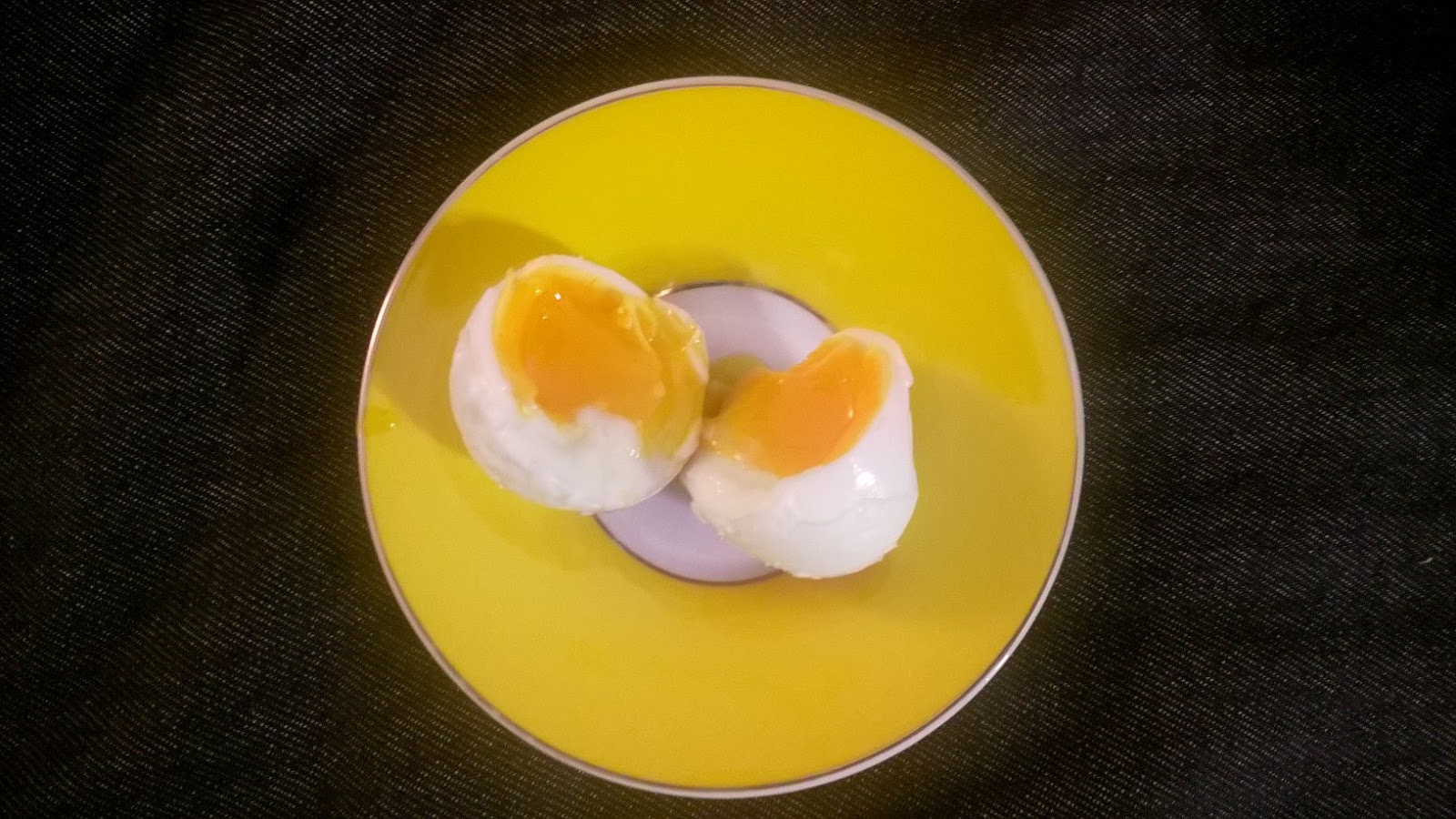
If we’re bored with having jajecznica, we can boil the egg. Do you prefer JAJKO NA TWARDO (hard-boiled egg), or NA MIĘKKO (soft-boiled egg)?

                                Jajko na miękko - more Polish vocabulary on our FB page

                                  Jajko na twardo -gotować, robić, przygotowywać

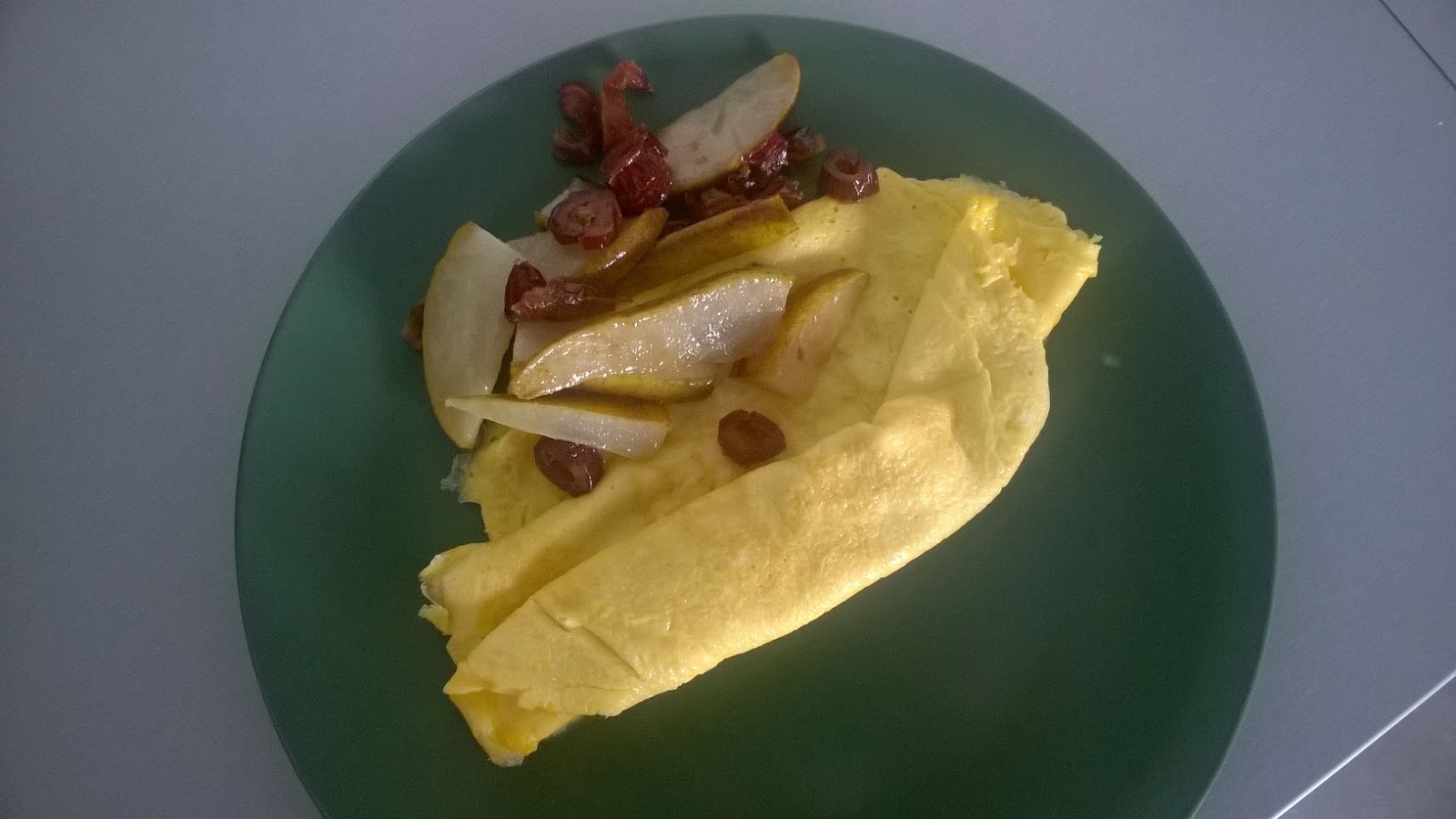
OMLET (omelette), which we have for breakfast or dinner /supper, is just as popular. Sweet or savoury.
                                                 And You? How do you like your omlet?

We often have JAJKO SADZONE (fried egg) as well. Interestingly, we don’t use the word smażone, which is a Polish equivalent of the word fried. We have jajko sadzone for lunch or dinner/supper (more information on the names of Polish meals and their timing here) but hardly ever for breakfast.


Returning to Easter, we have this picture for you and information what it shows.

                                        What is it? Check here for more information

                                             SMACZNEGO JAJKA !
                                              (literally: Enjoy the egg!)

środa, 22 marca 2017

LET’S TALK ABOUT WHEATHER IN POLISH

The spring is approaching rapidly, the weather is changeable, which is expressed in many Polish proverbs (check here to read about some of them and their meaning). That is a good topic of conversation during a coffee or lunch break at work, or between your Polish classes (check here for good courses in Polish for foreigners). Therefore we have prepared a mini dictionary of spring „weather attractions“.

MARCH AND APRIL IN POLAND

March and April are notorious for changeable weather (kapryśna pogoda, literally: moody weather). There are days when it gets warm, so the temperature goes over 12 degrees Celsius (temperatura przewyższa 12°C - stopni Celsjusza). Then the sun is shining (świeci słońce), sometimes a light wind blows (wietrzyk, literally: small wind) and white clouds (białe chmurki) appear in the sky. Unfortunately, after such a beautiful day, when, encouraged by beautiful weather, we get rid of our warm jackets, cold days often come. Then we feel unpleasant cold (marzniemy, literally: we freeze) on the way to work, school or a language course. The temperature may be above zero (powyżej zera), but it is a good idea to wear a warm scarf. Gray clouds covering the sky often threaten rain and on such cloudy days we can expect it in various scenarios: mżawka (drizzle) or ulewa (downpour), which results in kałuże (puddles) appearing on the streets. On such days do not forget your parasole (umbrellas) and kalosze (rubber boots). During the conversation it is good to remember the verbs: padać  (to rain; e.g. Oj, cały dzień pada deszcz! - oh, it’s been raining all day!), mżyć  (to drizzle; e.g. Ale dziś okropnie mży! - It’s drizzling so terribly today!) and lać (to pour; e.g. Mocno dziś leje! - It’s pouring today!). All three verbs describe rainy weather perfectly.

Looking for trivia about the Polish language? Check out our FB profile.

On such days a strong wind often blows through our coats and jackets.
Of course, we hope you will be able to talk more about the sun that is shining rather than about persistent rain.
We wish you many warm spring days!

środa, 15 lutego 2017

POLISH VALENTINE’S DAY. VALENTINE’S DAY ALL YEAR

Although Valentine’s Day was yesterday, we came to the conclusion that our mini-glossary of words related to emotions might still be useful. Especially with spring approaching... Today we are going to show you how to express your feelings in Polish without exaggeration and pretentiousness. Let’s start with THAT WORD...

KOCHAM CIĘ (I love you),

which is unique and used on special occasions. It is used to declare LOVE (MIŁOŚĆ) to people close to us. This word is powerfull! In Polish you don’t really say „kocham tę książkę“ (I love this book), "kocham ten film" (I love this film). This kind of confessions sound overenthusiastic, artificial and pretentious. If you want to emphasize that we like something (or someone) very very much you can use the verb...

UWIELBIAM  ( I love, adore)

książki tego autora (books by this author), muzykę klasyczną (classical music), grać w tenisa (playing tennis), Cię za to jaki jesteś/ jaka jesteś (you for who you are). As you can see, this verb refers to both hobbies and people. Not only will this verb allow you to express your strong feelings for someone but also comment enthusiastically about your favourite activities.

                                check our FB page for interesting Polish vocabulary

But let’s get back to emotions. If you don’t feel deep affection for someone but simply have a liking for them, or when you are not that passionate about your hobbies, the word LUBIĘ (I like) is enough. Unlike in some other languages (e.g. French or Russian), this word in Polish is perfectly neutral. LUBIĘ Agnieszkę, Marcina, kino amerykańskie, uprawiać sport, pić zimne piwo etc. (I like Agnieszka, Marcin, American cinema, doing sport, drinking cold beer, etc.). If Agnieszka or Marcin become more than just friends to you and you will ask them out for a romantic dinner, you can then say

PODOBASZ MI SIĘ (I like),

podobają mi się Twoje oczy,podobają mi się Twoje włosy i podoba mi się, jak i co do mnie mówisz (I like your eyes, I like your hair and I like the way you talk to me). However, you should be careful when using this verb since it may cause misunderstanding. Check here for more on that.

Once you have won the heart of your Polish beloved, you may want to look for a Polish course so as to learn how to say more nice things.

środa, 4 stycznia 2017

IDEAS FOR POLISH SYLWESTER (NEW YEAR'S EVE PARTY)

The end of the old year and the beginning of the new one is time for fun as well as for  New Year's resolutions. It’s a good idea to put learning Polish among the latter and to think of signing up for a language course (find out here about interesting Polish language courses for foreigners).
However, first, there’s the night between 31st December and 1st January. It’s called sylwester in Poland (check here to find out about the origin of the name) and there are many ways to spend it.

LARGE OUTDOOR PARTY, WE ARE NOT AFRAID OF WINTER

If you enjoy having fun with a large group of people, usually strangers, and you would like to attend a really good concert, that may be a perfect idea to spend the last night of the old year. Such events take place in Poland in nearly every city and town, usually in rynek (market square), or the main town/city square, or at a stadium. Their main advantages are Polish stars and starlets on stage and the fact that they are free. Just put on some warm clothes, take something to make toasts with and fun guaranteed.

WARM WITH GOOD (POLISH) MUSIC

Those who aren’t fond of crowds and low temperatures may attend one of the events held by clubs, cinemas and concert halls. If you want to dance, be at ease all night and not think too much about what to wear, you can go to a club for a New Year's party (impreza sylwestrowa). Just pick a club where you can listen to your favorite music, buy a ticket and fun guaranteed. For those who prefer to spend that time in a more sophisticated way, the ideal solution is to attend a New Year's Eve ball (bal sylwestrowy). Specific outfit is sometimes required, often related to the theme of the ball (eg .: Latin music, 1950s, etc.). That also refers to the music you are going to dance to.
Lovers of classical music will definitely choose to go to a concert hall, where an evening outfit is required, and the party is of a calmer nature. Movie buffs decide to spend that evening at the cinema, where apart from watching some movies with their favourite actors and by their favourite directors they may also dance to film music.

Naturally, you should attend a bal in the first meaning of the word

TAKING IT EASY

If you would like to spend that time with your friends, don’t want to spend too much on tickets and worry about the outfits, domówka, i.e. a party thrown at someone’s house, is the best idea. Just invite some friends, turn good music on, make some tasty and preferrably Polish dishes (usually each guest brings something to eat) and you can party all night.
Regardless of where and how you party, at midnight (o północy) everyone makes a new year toast (toast), either with champagne (szampan), or sparkling wine (wino musujące), or ... your choice.
SZCZĘŚLIWEGO NOWEGO ROKU! /HAPPY NEW YEAR!

środa, 21 grudnia 2016

MINI-GLOSSARY OF POLISH CHRISTMAS TERMS

We have asked our friends and students to tell us what they associate Christmas with. And we have received many answers: family, fireplace, gifts, snow, Christmas tree, gourmet food. There are various associations and experiences, and we have already written about Christmas (check here) and about Christmas Eve traditions (check here). This year we have compiled a small (and subjective) glossary of Christmas terms so that you can show you knowledge in your Polish classes or at your family gatherings.

CHOINKA,
a Christmas tree, which should traditionally be decorated on Christmas Eve morning, i.e. 24th December. However, these days the tradition is hardly ever maintained and we can enjoy the sparkling lights and beautiful decorations as early as 2 weeks before Christmas. Choinka can be kept in the house until 2nd January, which foreigners usually find surprising.

                                         check here for more interesting facts about Polish

OPŁATEK,
Christmas wafer, which is thin, white flatbread made without any yeast, symbolises friendship, love and forgiveness. We start the Christmas Eve supper by sharing it and wishing each other all the best.

SIANKO,
hay, a bundle of which is symbolically put under the tablecloth on the table on Christmas Eve to commemorate the birth of Jesus in the stable of Bethlehem.

TALERZ,
a plate, not an ordinary one but an empty one, symbolically awaiting an unexpected guest. This custom refers to the fact that Mary and Joseph were looking for shelter the night Jesus was born.

ŚLEDŹ,
herring, the fish that simply has to be served during the Christmas Eve supper. It may be savory or sweet, served in wine or spices, with sour cream or simply with oil. It’s always delicious and healthy

.                                                       to make (robić ) Christmas herring

KUTIA,
or kutya, a Christmas Eve culinary masterpiece, popular in Eastern Poland, Ukraine, Belarus and Lithuania. It’s a sweet dessert made with wheat (or pęczak, a type of pearl barely), honey, poppy seed, walnuts, raisins and almonds. It’s goes very well with strong black tea.

KOMPOT Z SUSZU,
dried fruit compote, has smoky flavour and is good for your digestion. It is served at the end of the Christmas Eve supper and is very nutritious, it is also an excellent alternative to fresh seasonal fruit, the lack of which we feel at this time of year. It is made with dried fruit, such as prunes, apples, apricots, pears, figs and raisins. And it tastes even better when we add some cinnamon, cloves, lemon zest, ginger and nutmeg to it. Delicious!

                                    to make (robić), to prepare (przygotować )dried fruit compote


PASTERKA,
starting at midnight between 24th and 25th December,  is a special mass commemorating the time when the shepherds waited for Jesus to be born. It is also one of the first ocassions to kolędowanie, i.e. singing Christmas carols. And then? Then we slowly walk back home with snow crunching under our feet... If there is snow, of course...

With or without snow; spent in Poland or abroad; with herring and kutia, or without these traditional Christmas Eve dishes, we wish you all Merry Christmas!

                                          WESOŁYCH ŚWIĄT!


wtorek, 6 grudnia 2016

A FEW WORDS ON MIKOŁAJKI

POLISH MEMORIES OF ŚWIĘTY MIKOŁAJ (Saint Nicholas)

Gray November has finished. It is time for a truly winter month, which not only brings snow, but also always puts us in a holiday mood. Although there is still some time left until Christmas, it is hard not to notice all the Christmas decorations in the streets, shops, restaurants and shopping malls as well as hear the Christmas songs played everywhere. In Polish classes more and more often foreigners ask about Polish Christmas customs and traditions.
There is one night and one morning at the beginning of December that every Polish child, and adult as well, looks forward to. And that is Mikołajki (Saint Nicholas Day), which is a name day of every Mikołaj (Nicholas) and a time to celebrate the day of Święty Mikołaj (Saint Nicholas). Remembering the generosity and goodness of the bishop of Myra we give each other small gifts on the night between 5th and 6th December.

Check out our  FB page for more idioms and interesting facts about the Polish language.  


IN THE SHOES AND UNDER THE PILLOW

The gifts may be left in two places: in the shoes (which have been cleaned and polished by the owner) standing beside the bed, or under the pillow. Not only children but also teenagers often wake up at night to check whether Saint Nicholas has visited the house and left some trifles. No one expects a lavish gift on that day, it would be hard to put it under a pillow or fit into children’s shoes anyway. Sweets, small toys and trifles that may be useful in everyday life or at school are common gifts (a Polish course may be an ideal gift for Mikołajki, check here for details ).
However, instead of a gift or lying right next to it under the pillow or in your shoe, you might find a rózga (twig). That is a sign that you should work on your behaviour and improve if you want to avoid a „gift disappointment“ at Christmas.

AT SCHOOL AND AT WORK (A CUSTOM NOT ONLY IN POLAND)

Another nice custom related to 6th December (check here to see how to write dates in Polish) is celebrating Mikołajki at school or work. Everything starts with drawing the name of a person we are going to get a gift for. Then we have some time to think of a proper gift and buy it (at school children often make the gifts themselves). Next we put the nicely wrapped gifts with name tags attached to them into one sack. The gifts are distributed in a friendly atmosphere and the receivers often wonder who their Mikołaj has been this year, since anonymity is the greatest thing about Mikołajki.

środa, 23 listopada 2016

ROZWODNIK (divorcee) AND STARA PANNA (old maid), OR TERMS FOR DESCRIBING MARITAL STATUS IN POLISH

As we have promised in our entry on patchwork family (you can find it here), we are going to present some nouns related to people’s marital status. We have already mentioned that people who are married are called mąż (husband) and żona (wife). These nouns sound familiar to virtually all participants of Polish courses. The ones you are going to read about are much more rarely used in Polish classes.

WHAT DO YOU CALL UNMARRIED PEOPLE IN POLISH?
Those, whose spouse died are wdowiec (widower) and wdowa (widow); people, who decided to end a failed relationship are called rozwodnik (divorcee, masculine) and rozwódka (divorcee, feminine). The two latter forms, despite being correct and used in the legal language, still have negative connotations in Polish society and are stigmatizing. Therefore, the terms rozwiedziony (divorced, masculine) and rozwiedziona (divorced, feminine) are becoming increasingly popular. Similar rule applies to those who have never changed their marital status and remain kawaler (unmarried man, bachelor) and panna (unmarried woman, spinster).  People who remained unmarried for too long (in some people’s opinion) used to be called stary kawaler (literally: old bachelor, confirmed bachelor) and stara panna (spinster, old maid) with contempt. However, nowadays,  following the social changes and the growing number of people who are not in a relationship (anymore) with anyone or decide to get married much later than older generations, the words singiel (single, masculine) and singielka (single, feminine) are gaining in popularity.
                                           more Polish vocabulary on our FB page

KONKUBIN OR PARTNER? OTHER WORDS TO DESCRIBE MARITAL STATUS
What about those who are in steady but live-in,  not legalized relationships? And again, the legal and administration language affect everyday life. The official terms are konkubent or konkubin (cohabitant, masculine) and konkubina (cohabitant, feminine). However, these words have been used so often in the criminal news stories (e.g. Konkubent Marian Z. zabił swoją konkubinę Grażynę K. w trakcie libacji alkoholowej - , i.e. Marian M. cohabiting with Grażyna K. killed her while carousing) that they now are used in a pejorative sense by Polish people. The young generations use these terms humorously nowadays, and when they want to be serious, they go for partner/partnerka when talking about their other half.

As you can see, the terminology related to marital status is a very good indicator of changes in the society that clearly affect the language itself.

wtorek, 8 listopada 2016

COLOURS IN POLISH IDIOMS

GREEN LIGHT TO LEARNING POLISH :)

Since it’s grey, bleak and gloomy outside and it gets everyone down, we propose focusing on  colours today. Naturally, colours is the topic that puts students into a good mood as it’s easy, pleasant and useful. Colours appear in classes (more on Polish courses here) as parts of idiomatic expressions, which is another favourite subject of everyone, not only foreigners studying Polish.
The ‘hero’ of today’s entry is the colour we all probably miss most these days: zielony (green).

FOR A START, ON THE NEGATIVE SIDE OF ZIELONY IN POLISH

You can zzielenieć ze złości  (literally: get green with anger) or z zazdrości (with envy), which means show extreme anger or envy. And if one of our acquaintances ma zielono w głowie (literally: has green in their head; is empty-headed, is an airhead), then they are careless and, unfortunately, irresponsible. A novice in any kind of business or activity is usually zielony (green) or nie ma zielonego pojęcia (has no clue/absolutely no idea; literally: has no green clue) what is to be done or what to do, so has no knowledge of the topic and is simply inexperienced and often young.
If someone has lost their job, we can say that they have been wysłany na zieloną trawkę (literally: sent to green grass/pasture).
Here are zielone płuca miasta – green lungs of the city. Check out our FB page
for more idioms and interesting facts about the Polish language

FINALLY, ON THE POSITIVE SIDE OF ZIELONY IN POLISH

When new opportunities come up and we have been given a chance to put our plans or projects into practice, that means that someone zapalił/ dał zielone światło (lit/gave us the green light). Drivers may be interested to know that zielona fala (literally: green wave) refers to a situation when we can drive through a few consecutive crossroads without stopping because you there is green light every time, a phenomenon welcome by those stuck in the morning traffic jams. Zielone płuca (green lungs), i.e. forests and parks full of plants, provide healthier environment and make us feel better. And let’s not forget about zielone ludziki  (little green men), aliens whose skin is supposed to be green.

poniedziałek, 24 października 2016

ON GETTING MARRIED AND PATCHWORK FAMILY. PRACTICAL POLISH WORDS AND EXPRESSIONS

VERBS THAT COLLOCATE WITH THE NOUN ŚLUB 
Autumn may not be the most popular time of the year to plan a ślub (wedding), but this topic arouses interest in Polish classes regardless of the season. Let us remind you that in Polish you can brać ślub, i.e. get married (brać/wziąć ślub: check here to find out how to conjugate this verb). When we are talking about this occasion from the perspective of a woman, we say that she wychodzi/wyszła za mąż (wychodzić/wyjść za mąż, which can be understood as „she is getting/got a husband“), and when it’s from the perspective of a man, we say that he żeni się or ożenił się (żenić/ożenić się, which means that he is getting/got a wife)

Oto Mateusz i Klara. Oni wzięli ślub. Mateusz ożenił się z Klarą. Klara wyszła za Mateusza.
Literally: These are Mateusz and Klra. They got married. Mateusz took Klara as his wife. Klara took Mateusz as her husband.

                                                 more Polish vocabulary on our FB page 

Another verb you can use in this situation is pobrać się, so:

Mateusz i Klara pobrali się w ostatnią sobotę. (Mateusz and Klara got married last Saturday)

PATCHWORK FAMILY. SOME FAMILY MEMBERS IN POLISH
When two people legalize their relationship outside of Poland and it is not marriage, we say that they zawarli związek partnerski albo weszli w związek partnerski (zawrzeć/ wejść w związek partnerski, i.e. enter/entered into a registered partnership).
As the result of a marriage in Poland people become mąż and żona (husband and wife). Frequently it is their next marriage and then this kind of couple together with the children from their previous relationships become a patchwork family (rodzina patchworkowa). The adults are then not only matka and ojciec (mother and father) for their own children but also become ojczym and macocha (stepfather and stepmother) for their spouse’s children. The word macocha has evolved over the years in the Polish language, since not so long ago it had ominous overtones. For the first time a child encountered this word while reading the Cinderella story. As we all remember, it wasn’t a positive connotation… Additionally, the negative overtone was emphasised by an expression traktować coś/ kogoś po macoszemu, i.e. treat something/someone unfairly, badly, harshly. Fortunately, along with the social changes in Poland the negative meaning of the word is gradually disappearing.

Soon you will be able to read more about Polish vocabulary referring to marital status.


czwartek, 13 października 2016

AUTUMN VOCABULARY DILEMAS IN POLISH

NAMES OF FRUIT DELICACIES IN POLISH

Beautiful Polish golden autumn (Indian summer) has started (check here to find out where this name came from) and trees change their colour from green into yellow, red and brown. This is a perfect time for walks or for courses of Polish as a foreign language (alright, there always a good time to learn Polish;-)). And of ocurse, it’s time to make some preserved fruit products (przetwory) , such as dżemy (jams), konfitury (preserves), powidła (plum jam)... And now! Here’s the question: What is the difference between dżem and konfitura? Are these words synonyms, or do they describe completely different sweet products made from fruit?

IN FACT THEY’RE NOT THE SAME

They are definitely not synonyms, and the multitude of names in Polish comes from the difference in their taste and ... the preparation process.
Dżem is the most popular of them, of course. You can find it on a shelf in every shop in Poland, different kinds. It’s made from fruit or its parts. It’s enough to add lots of sugar to it, preferrably the so-called ‘gelling sugar’, and boil it for a long time, stirring from time to time.
Marmolada is the easiest to make (in Polish marmolada – marmalade – is a product made from any kind of fruit, not only citrus fruit). Just add equal amount of sugar to the fruit (50% to 50%), grate it, boil it and then leave it to cool. You can spread it on a slice of bread and eat right away.
If you are a gourmet, however, and love the taste of fruit without any thickeners, you should go for konfitura. You need to select fruit to make it. Only the one that looks best and tasty will be used and added to the sugar syrup prepared beforehand. Konfitury (preserves) require more effort and attention, since you should try not to damage the fruit while stirring and need to keep an eye on the temperature as it should be neither too high nor too low. At the end of the process it’s a good idea to coat the edges of the jars with cognac :) .
No matter which you prefer, dżem or konfitura,
  you will find more interesting Polish vocabulary on our FB page.

POLISH DELICACY

Powidła (plum jam) is a real Rolls-Royce among the Polish preserved fruit products. This is a Polish speciality and it is made only from plums (the węgierka variety is the best choice, Eng. common plum). Adding sugar is not necessary. However, you need time, since it takes several days for powidła to be ready. After that we can enjoy the taste of pure fruit during winter evenings.
Now that you know all these words and the differences between them you can get down to work, or simply go to the shop and simply pick a jar with an appropriate name on it. Enjoy!


wtorek, 27 września 2016

NAMES OF MEALS IN POLISH

Nothing reflects the changes that have occurred in the Polish reality in the past 25 years better than the names of meals and the way we use them these days.

O KTÓREJ JECIE OBIAD? TRADITIONAL RHYTHM OF HAVING MEALS IN POLAND
This question comes up surprisingly often in Polish classes. The answer is not that obvious since it largely depends on our lifestyle and where we live. Traditionally Poles start their day with śniadanie (breakfast), around 10.30am they have their drugie śniadanie (second breakfast), which is usually a sandwich. Then comes obiad (lunch/dinner) eaten between 2 and 3pm (main meal of the day, usually consisting of two courses), children sometimes have podwieczorek (equivalent of tea) around 5pm, and that is a sweet snack before the last meal of the day, i.e. kolacja (dinner/supper) which is eaten around 7pm. Kolacja usually consists of one course and is definitely lighter than obiad and, depending on the season of the year, may be served cold or hot. The most important śniadanie (breakfast) of the year is, of course, the Easter breakfast (more information here), and the most formal kolacja (dinner/supper) is Wigilia, i.e. Christmas Eve dinner/supper (more on that here).
The model śniadanie - drugie śniadanie - obiad - (podwieczorek)kolacja is a traditional one and is still followed by children, young people, unemployed adults and those living in small towns.

                                                      more Polish vocabulary on our FB profile

ANGLICISMS IN NAMES OF MEALS
People living in large cities, studying or working from 9am to 5pm have obiad after work, and in the middle of the day they have ... lunch. The rhythm of meals and their times are similar to those in other countries. Śniadanie in the morning, lunch at midday and obiad early in the evening. With such a daily routine the noun kolacja is reserved for special occasions (kolacja służbowa - business dinner, kolacja romantyczna - romantic dinner) or refers to a meal eaten around 9pm (which is much less common in Poland than in southern countries). On days off, weekends, Polish middle class in larger cities has brunch, which is a late śniadanie or early lunch, usually eaten in restaurants or bistros (more on eating places here).

                      jem śniadanie, obiad, kolację. Check here the conjugation of the verb JEŚĆ (to eat)

Interestingly, even the Poles living in large cities give up on the Western European tradition in order to meet relatives for dinner on Sunday at 2pm (during which rosół, i.e. traditional chicken soup, is served) or to eat out together. Do you know now why restaurants in Poland are crowded on Sunday afternoons?

środa, 14 września 2016

COMMUNICATION CONFUSION WITH KOMUNIKACJA

KOMUNIKACJA IN POLISH MEANS...

Today we’ll be talking about komunikacja, since this little word may easily confuse foreigners learning Polish.
Everything is fine as long as we are talking about komunikacja meaning the process of communicating, exchanging information or ideas. In this case the meaning of the word is crystal clear and even a beginner student of Polish does not see any difficulty or a catch here.

KOMUNIKACJA MEANING COMMUNICATION

There is komunikacja telefoniczna (telephone communication), mailowa (email) or internetowa (Internet), and listowna (through letters), which used to be popular in the past. We use  the word komunikacja with an adjective describing the means that enable information sharing and exchanging ideas. We can also use the preposition przez (through, by, over) and then we say kominukacja przez telefon, komunikatory, media społecznościowe (social media) or Internet. Remember that przez is followed by a noun in the accusative form.

WHAT LINKS KOMUNIKACJA AND TRANSPORT

However, the second meaning of the word causes surprise. Komunikacja in Polish also means movement consisting in maintaining the connection between two spots located within some distance from each other by various means of transport. There is komunikacja miejska (city/public transport), i.e. buses, trams, underground etc., podmiejska (suburban), connecting a city with its suburbs, międzymiastowa (intercity, literally: between cities) or międzynarodowa (international; from one country to another).  Therefore, a person who says they enjoy using komunikacja miejska on the way to work or their language course does not want to inform us about the ways of communicating with co-workers or classmates but to tell us that they get around by bus, tram or underground (Polish: jeździć autobusem, tramwajem, metrem; check here for conjugation of the verb jeździć).
And stała komunikacja między Warszawą a Poznaniem (regular connection between Warsaw and Poznań) means regular trains, for exmple, between these cities.
As you can see, good kominikacja always makes life easier.


More interesting facts on the Polish langauge and on komunikacja in Polish on our FB site.