Pokazywanie postów oznaczonych etykietą Polish Easter traditions. Pokaż wszystkie posty

czwartek, 13 kwietnia 2017

SOME FACTS ABOUT EGGS BEFORE EASTER

The fast approaching Easter has encouraged us to look closely at one of its symbols: the egg. You can read here what meaning it bears in the Polish Easter tradition. You can also get this information during your Polish classes.  Today we would like to talk about the egg from the culinary point of view. We offer you a short overview of the forms in which it may be prepared. Naturally, it will not be new for you, but ... we want to make sure you know the Polish names of these dishes.

First of all, JAJECZNICA (scrambled eggs), which is Poles‘ favourite breakfast dish. We often serve it with bacon or mushrooms. Or with both.

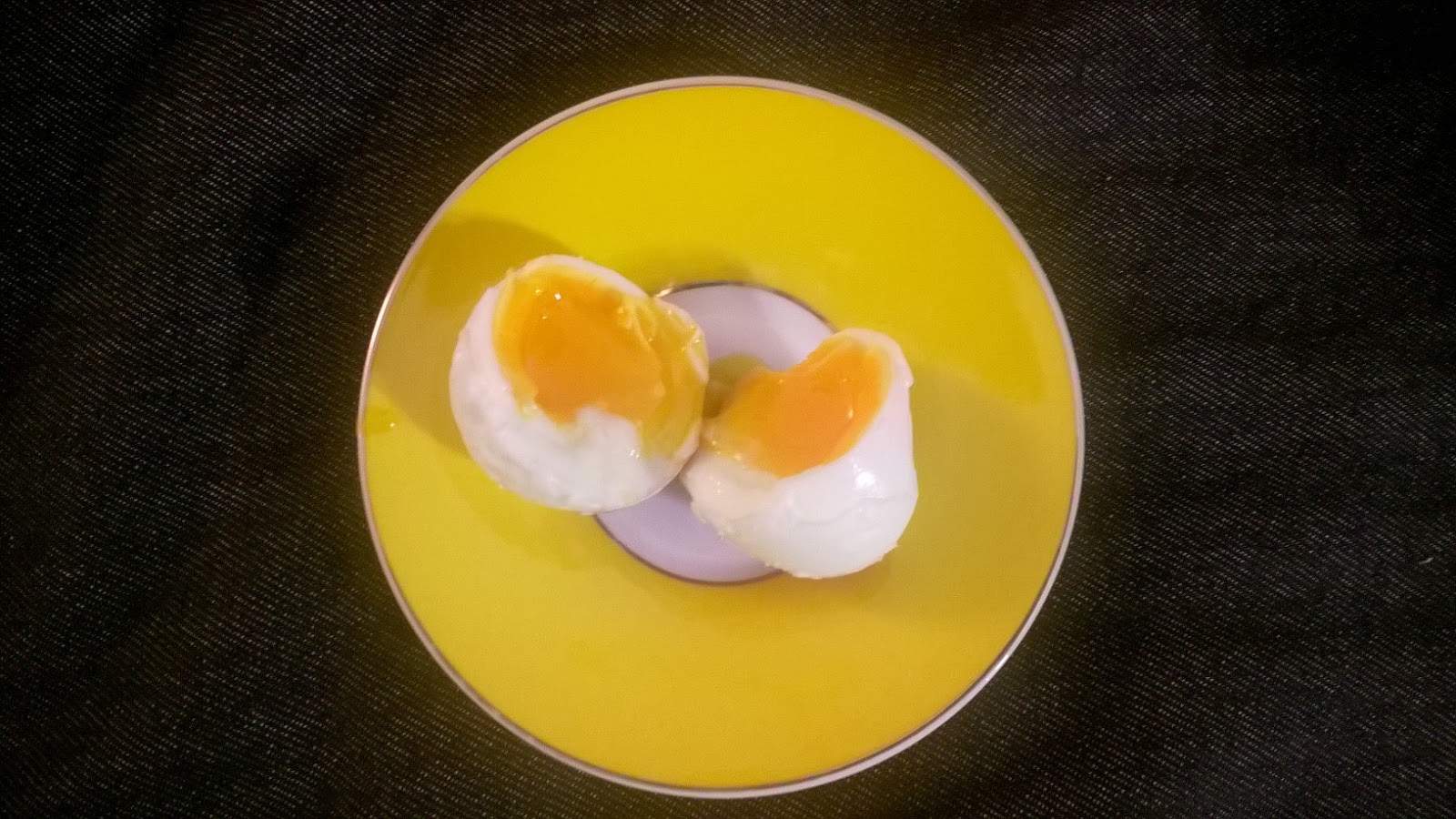
If we’re bored with having jajecznica, we can boil the egg. Do you prefer JAJKO NA TWARDO (hard-boiled egg), or NA MIĘKKO (soft-boiled egg)?

                                Jajko na miękko - more Polish vocabulary on our FB page

                                  Jajko na twardo -gotować, robić, przygotowywać

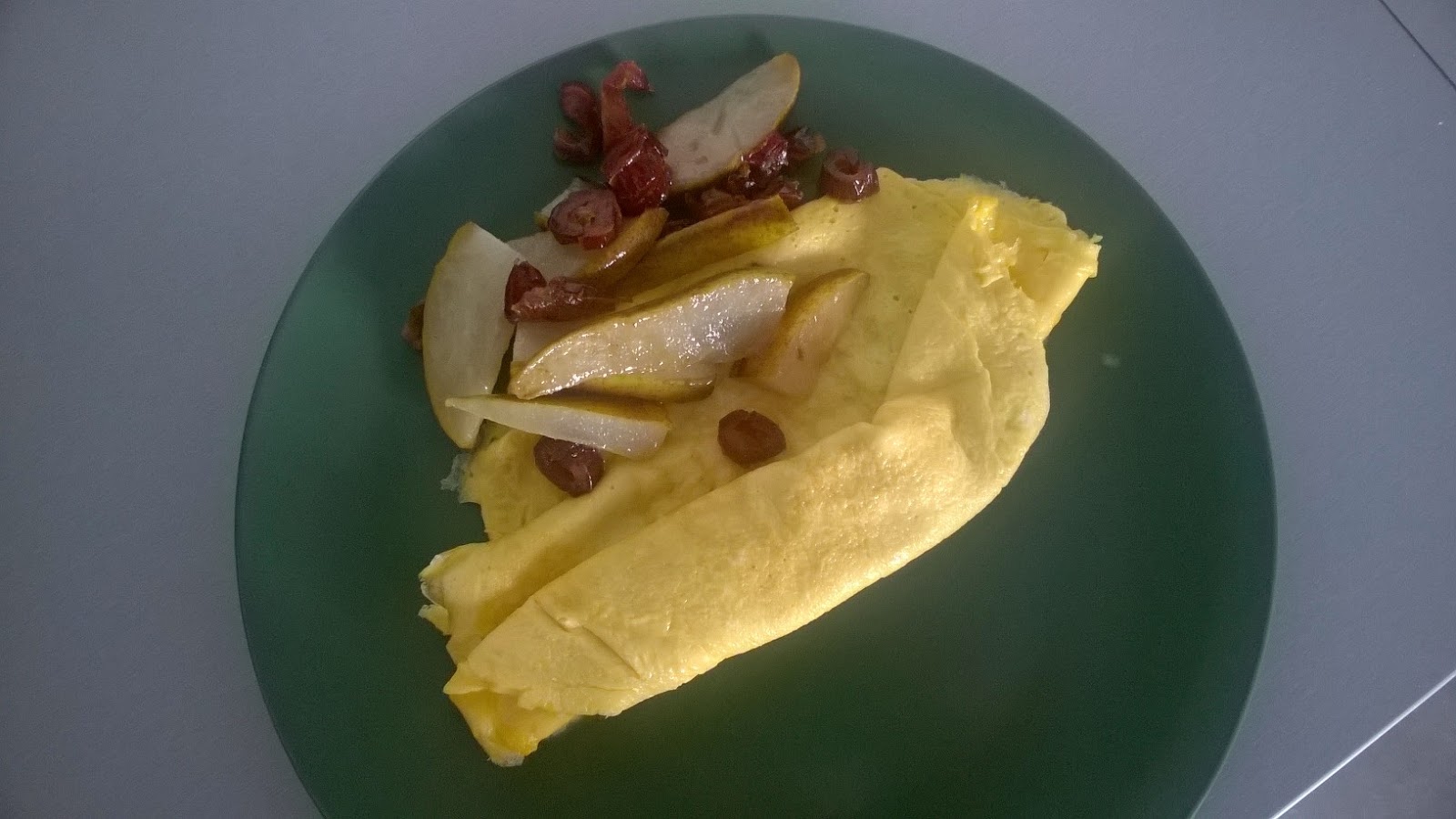
OMLET (omelette), which we have for breakfast or dinner /supper, is just as popular. Sweet or savoury.
                                                 And You? How do you like your omlet?

We often have JAJKO SADZONE (fried egg) as well. Interestingly, we don’t use the word smażone, which is a Polish equivalent of the word fried. We have jajko sadzone for lunch or dinner/supper (more information on the names of Polish meals and their timing here) but hardly ever for breakfast.


Returning to Easter, we have this picture for you and information what it shows.

                                        What is it? Check here for more information

                                             SMACZNEGO JAJKA !
                                              (literally: Enjoy the egg!)

środa, 30 marca 2016

A FEW WORDS ON POLISH PISANKI (Easter eggs)

WHAT DO WE CALL EASTER EGGS IN POLISH?

The period before and after Easter is the perfect time to talk about Polish Easter tradtions in your Polish classes.
If we think „Easter“ we mustn’t forget coloured eggs called pisanki in Polish. They appear in Polish homes together with catkins (bazie, aka kotki, literally kittens, because they remind us of these fluffy animals), first spring flowers, garden cress (rzeżucha) and figures of bunnies (zajączki), chickens (kurczaczki) and a lamb (baranek). Traditionally, they are symbols of new life.

However, not everyone knows (it may be interesting for both foreigners and Polish native speakers) that the coloured eggs have different names depending on the technique used to make them.

DIFFERENCE BETWEEN „PISANKA” AND „KRASZANKA”

Pisanki were initially eggs on which the patterns were painted (pisane) with hot wax and which where next put into a homemade dye. Nowadays this name is used to talk about coloured Easter eggs in general.
The single coloured eggs are called kraszanki. Traditionally, natural dyes were used to colour them, such as onion skins to get red or bark of young apple trees to get golden colour.
You need to put a lot of effort into making a drapanka, which is made by scraping patterns in the soft layer of the egg shell. Oklejanki are eggs that have been covered with (oklejone) coloured pieces of fabric or yarn. The most challenging and time-consuming, however, are ażurki, which at first glance seem to be made of lace but are actually made from empty egg shells in which fine patterns are cut out.


This is a drapanka of course :) Check out our FB profile for more information on Easter traditions and the Polish language

No matter what name we call Easter eggs, they are beautiful items decorating Easter tables not only in Poland.

niedziela, 29 marca 2015

POLISH EASTER TRADITIONS

EASTER SYMBOLS IN POLISH
When spring begins and Easter time comes, students of Polish often want to know what the traditional Easter customs and dishes are. First questions are asked when the fairs with stalls selling Easter things appear. On the one hand, everyone knows the popular Easter symbols, such as pisanki (Easter eggs), kurczaczki (chickens), cukrowe baranki (sugar lambs), czekoladowe zajączki (chocolate bunnies) and students only want to know what they are called in Polish. However, their curiosity is aroused by the colourful palms people carry. That is related to palm tree leaves that the inhabitants of Jerusalem used when they were welcoming Christ, who entered their town.  Since palm trees do not grow in Poland, people here use colourful palms made of branches of native trees, such as willow (symbol of immortality), dried or paper flowers, coloured grass and other materials.

ŚWIĘCONE AND ŚWIĘCONKA IN POLISH TRADITION
Blessing of food on Holy Saturday is a really important Polish tradition. In the old days a priest was invited to mansions of nobility to bless all the Easter dishes. Nowadays, a symbolic święconka is prepared, i.e. a basket with salt and pepper, which protect food against decay, bread (symbolic of the body of Christ), sausage (symbolic of abundance and prosperity), and coloured eggs (symbolic of new life). When święconka is  ready, it is taken to church to be blessed. 

                                                                Traditional Easter basket is called „święconka“. 
                                             More on Easter traditions and more pictures to be found on our FB profile

POLISH TRADITION OF SHARING EGG
On Easter Sunday, before gathering at the table to have breakfast, Poles share święcone (the blessed food) and exchange wishes. Traditional Easter dishes are served: żurek (sour rye soup) or barszcz biały (white borscht) with sausage, eggs, salads, decicious cold cuts and, of course, ćwikła z chrzanem (grated beetroot with horseradish). All that is followed by desserts, such as sweet mazurki (cakes) with dried fruit and nuts, drożdżowe baby (yeast cakes)and pascha (made from cottage cheese, milk, cream and dried fruit). It’s a good idea to go for a walk with the family after a hearty breakfast like that.

ŚMIGUS-DYNGUS OR...
But if you want to go for a walk on Easter Monday, called Śmigus-Dyngus, you’d better take an umbrella. On that day, also known as Wet Monday, according to Polish tradition, people throw water over each other for good luck. In the past, only unmarried girls were doused with water. Now you can throw water over anyone you wish, within reason. of course.

Happy Easter!